Discover why arthritis & stiffness flare in the cold. We delve into Western science & TCM's cold/damp obstruction theory, offering proven relief through acupuncture, cupping, & herbal liniments. Get lasting relief today.

As temperatures drop, many people brace themselves for more than just frosty mornings—they anticipate a significant flare-up in their chronic aches and pains. If your arthritis, old injuries, or general stiffness seem to act as a personal barometer, you’re not imagining it. This phenomenon is well-documented but often poorly understood from a holistic perspective. While Western medicine points to physiological factors, Traditional Chinese Medicine (TCM) provides a profound and actionable framework: the concept of Cold and Damp Obstruction. This article will explore both viewpoints and provide a comprehensive guide to the most effective TCM therapies—like cupping, acupuncture, and herbal liniments—designed to bring relief, improve circulation, and restore your comfort.
The Science Behind Cold Weather and Increased Pain
From a Western medical standpoint, several mechanisms explain why pain worsens in cold weather:
- Barometric Pressure Changes: Falling pressure before a cold front can cause tissues and joints to expand, irritating already-sensitive nerves.
- Increased Synovial Fluid Viscosity: The fluid that lubricates your joints can become thicker in the cold, leading to greater stiffness.
- Muscle Tension and Spasms: Cold causes muscles to contract and tighten to conserve heat, which can pull on joints and increase pain perception.
- Reduced Circulation: In cold conditions, blood flow is prioritized to your core, potentially reducing nourishment and oxygen to muscles and joints in the extremities.
While these explanations are valid, they often lead to temporary solutions like pain relievers or heating pads. TCM, however, looks deeper at the root cause and offers a pathway to more sustainable relief.
TCM Diagnosis: Cold and Damp Obstruction (Bi Syndrome)
In TCM, chronic pain that worsens with weather is classified as a type of "Bi Syndrome" (pronounced "bee"), often translated as obstruction or painful obstruction. This refers to the invasion of external pathogenic factors—primarily Wind, Cold, and Damp—that block the smooth flow of Qi (vital energy) and Blood in the body’s meridians and channels.
When Cold invades, it has a contracting, congealing nature. It slows everything down, leading to stiffness, sharp pain that improves with heat, and severe tightening. Dampness is heavy, sticky, and lingering. It leads to swelling, a feeling of heaviness in the limbs, dull aches, and fixed pain. Together, Cold and Damp Obstruction creates a perfect storm for the deep-seated, hard-to-shake pain many experience in winter. This diagnosis is central to understanding why your arthritis pain in cold weather feels so particular and persistent.
Proven TCM Therapies for Cold-Damp Pain Relief
The treatment principle in TCM for this condition is to Warm the channels, Expel Cold, Resolve Dampness, and Invigorate Qi and Blood flow. Here are the primary, time-tested modalities used.
Acupuncture: Restoring Energetic Flow and Circulation
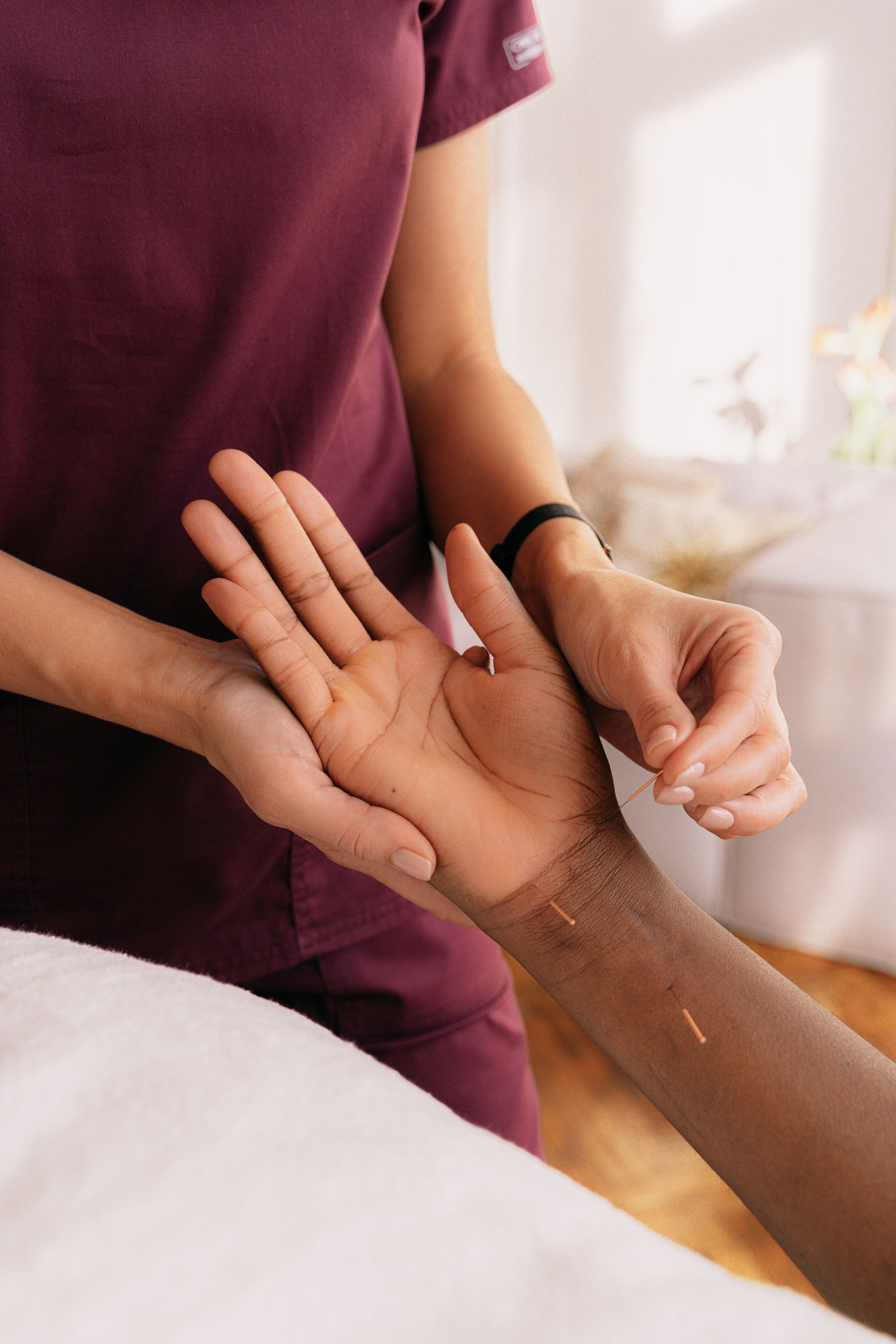
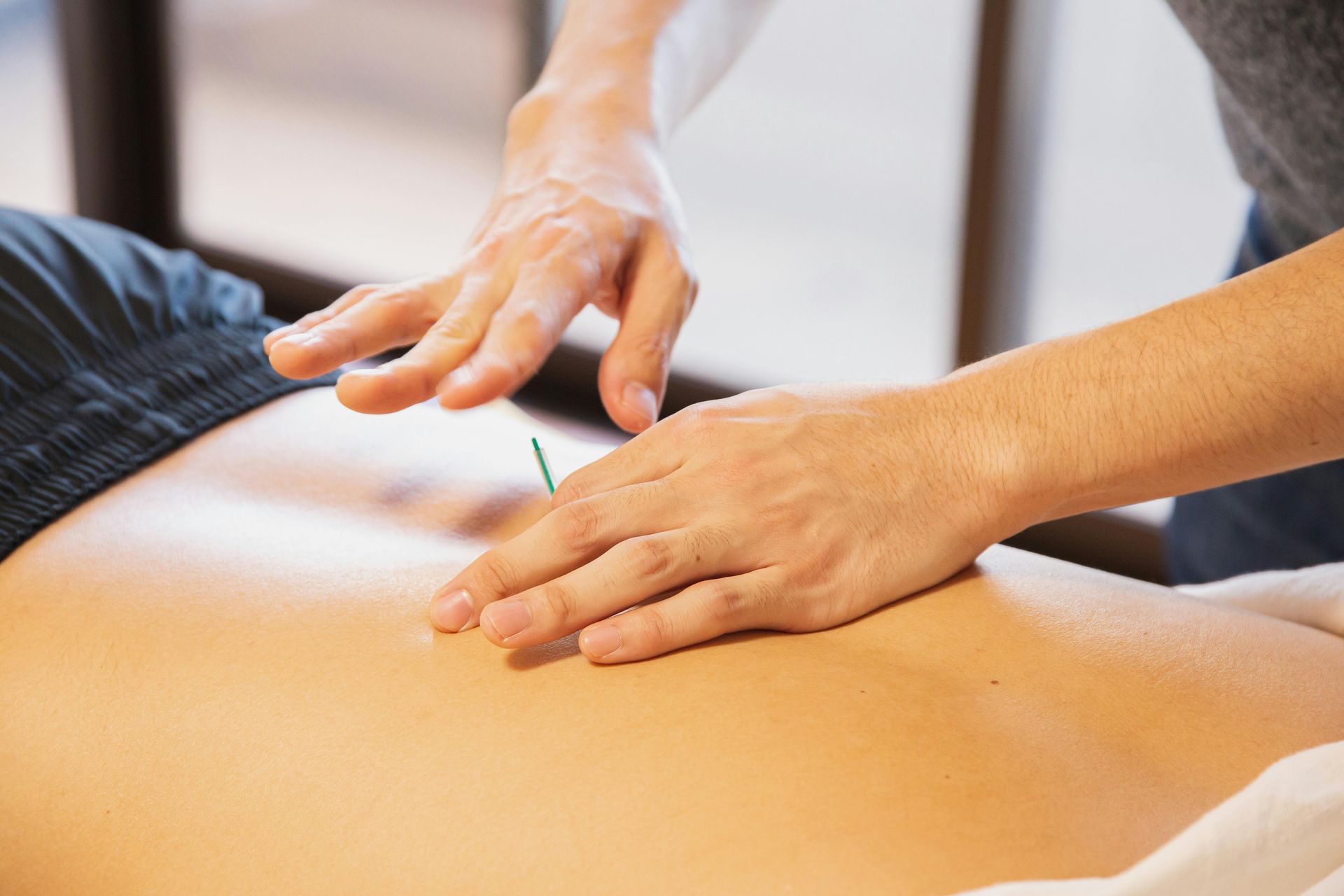
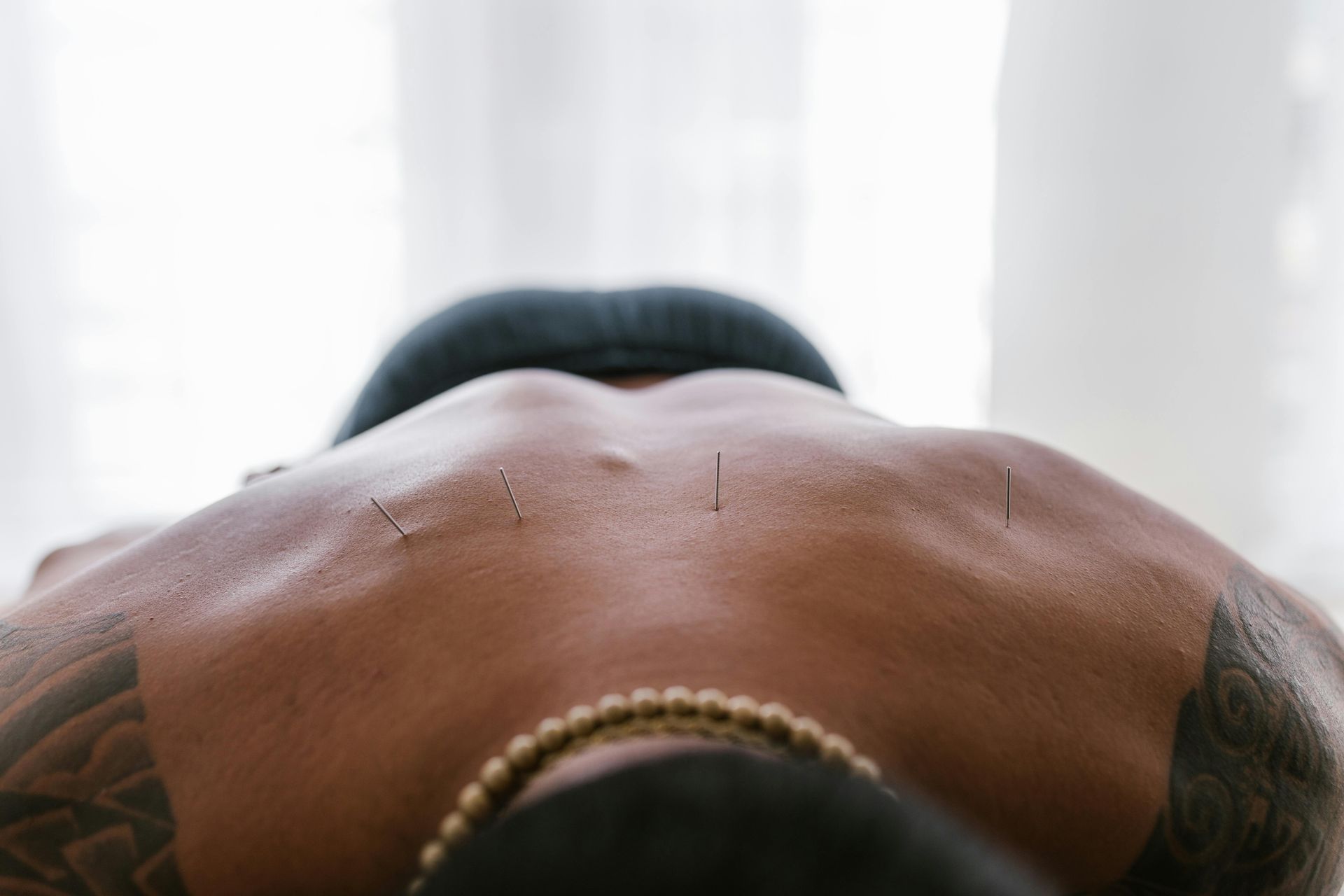
Acupuncture for arthritis pain and stiffness is exceptionally effective. By inserting fine, sterile needles at specific points, a practitioner can:
- Disperse local stagnation in painful joints.
- Stimulate the body’s innate pain-relieving chemicals (endorphins).
- Send strong warming signals to areas affected by Cold obstruction.
- Strengthen the body’s defensive Qi to prevent further pathogenic invasion.
Studies, such as those cited by the National Institutes of Health, support acupuncture’s efficacy for chronic pain conditions like osteoarthritis.
Cupping and Gua Sha: Releasing Deep-Seated Tension
Cupping for winter pain relief works by creating a suction on the skin. This lifts tissue, breaks up local stagnation, and draws fresh blood flow to the affected area. For Cold-Damp Bi, it is invaluable for:
- Releasing tight muscles and fascia.
- "Pulling" cold and damp pathogens from deeper tissue layers to the surface.
- Dramatically improving micro-circulation.
Similarly, Gua Sha uses a tool to gently scrape the skin, addressing surface-level stagnation and promoting healthy blood flow. Both leave temporary marks that indicate the release of stagnation—a sign the treatment is working.
Herbal Medicine: Internal Warmth and External Application
TCM herbal formulas are tailored to each individual’s pattern. Internally, formulas often contain warming, pungent herbs like cinnamon twig or aconite to melt cold obstruction. Externally, herbal liniments for muscle stiffness are a game-changer.
- These liniments or plasters often contain herbs like myrrh, frankincense, and cayenne that penetrate the skin to warm the channels, reduce swelling, and stop pain.
- They provide direct, targeted therapy and are a perfect adjunct to clinical treatments.
Moxibustion: The Ultimate Warming Therapy
Moxibustion involves burning the herb mugwort (Artemisia vulgaris) near or on acupuncture points. Its deep, penetrating heat is uniquely suited to expel Cold and Damp obstruction. It is frequently used on points like "Zu San Li" to strengthen the entire body’s yang energy and on local points to warm a specific, icy-cold joint.
Integrative Lifestyle Tips to Support Treatment
To enhance your clinical TCM treatments, incorporate these daily practices:
- Dress Warmly: Protect vulnerable joints (knees, neck, lower back) from wind and cold with layered clothing.
- Diet for Warmth: Incorporate warm, cooked foods and spices like ginger, cinnamon, and black pepper. Avoid cold, raw foods and icy drinks which tax your digestive "fire."
- Gentle Movement: Engage in gentle exercises like Tai Chi or Qi Gong to move Qi and Blood without straining joints. Learn about [Tai Chi for Joint Health and Mobility] on our blog.
- Warm Compresses: Apply a warm (not scalding) water bottle or heating pad to stiff areas for 15-20 minutes.
A Path to Lasting Relief
The aggravation of aches and pains in cold weather is more than just an inconvenience; it’s a signal from your body that there is an underlying imbalance—an obstruction of Cold and Damp. While Western science explains the mechanics, Traditional Chinese Medicine provides a holistic roadmap for diagnosis and treatment. By addressing the root cause with therapies like acupuncture to restore flow, cupping to release stagnation, and warming herbal applications, you can move beyond temporary coping toward genuine, lasting improvement in your comfort and mobility.
Take the Next Step Toward a More Comfortable Winter
Don’t resign yourself to months of increased pain. If the concept of Cold/Damp Obstruction resonates with your experience, a personalized TCM assessment can identify your specific pattern and create a targeted treatment plan. Dr. Rosemarie Allen is an expert in combining these ancient modalities to deliver powerful, modern relief.
Contact us today to schedule a consultation and discover how we can help you improve your circulation, ease your stiffness, and reclaim your comfort in every season.
SHARE WITH FRIENDS