Discover 10 simple, cost-free wellness practices inspired by Traditional Chinese Medicine to support energy, digestion, relaxation, sleep, and everyday balance.
When life feels busy, it is easy to believe that taking care of your health requires expensive products, complicated routines, or a major lifestyle overhaul. However, many wellness practices begin with simple habits that cost little or nothing.
Traditional Chinese Medicine, often called TCM, has long emphasized the relationship between daily habits, energy, rest, digestion, movement, and emotional well-being. While modern research continues to explore how different TCM practices work, many of the lifestyle principles can complement a balanced approach to health.
At A Balanced You Acupuncture & Wellness Center in Jacksonville, Florida, we believe wellness is not only about what happens during an appointment. It is also about the small choices you make throughout the day.
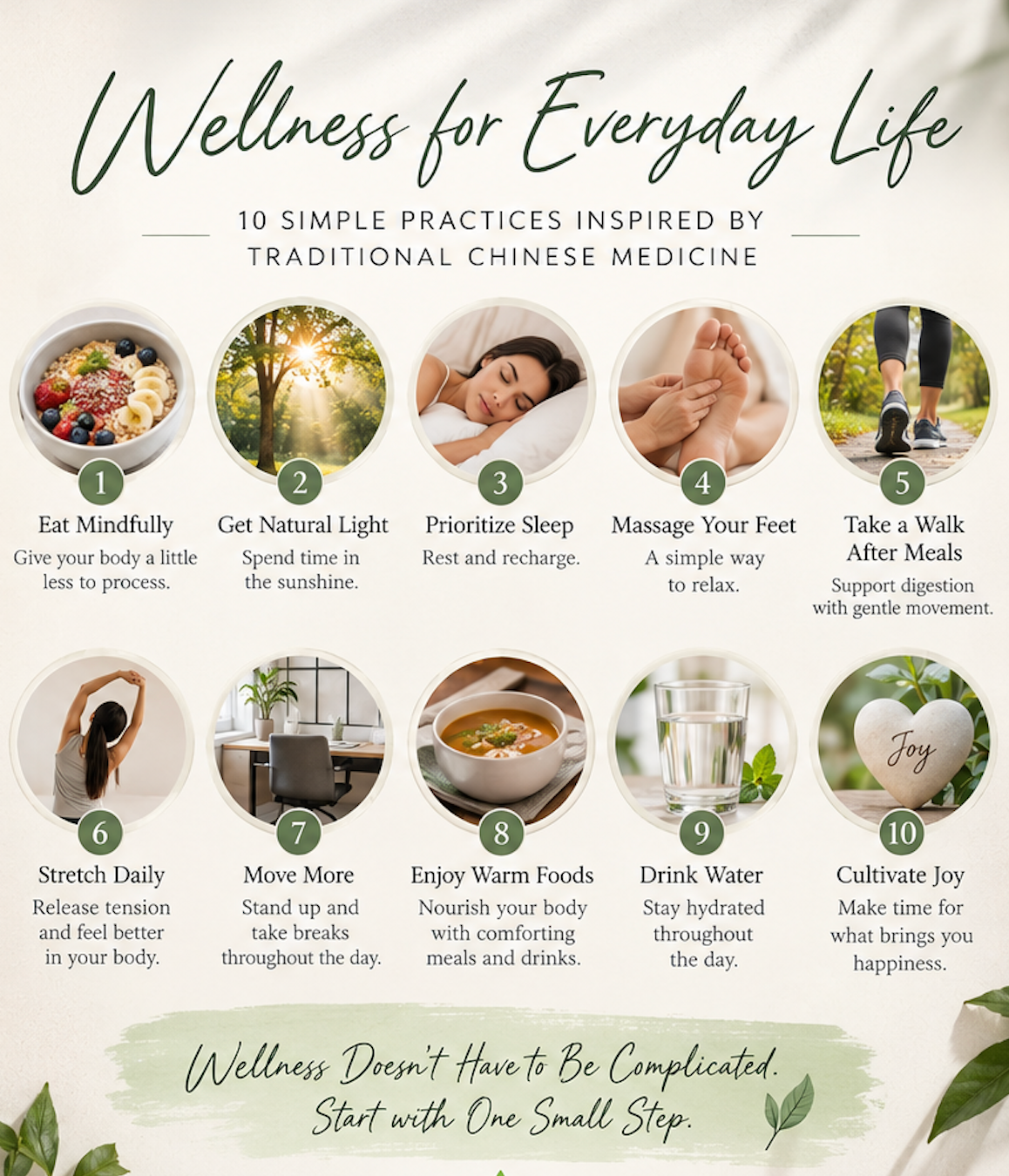
Here are 10 practical wellness practices inspired by traditional principles that you can begin incorporating into your daily routine.
1. Give Your Body a Little Less to Process
One simple way to support your well-being is to practice mindful eating. This does not mean skipping meals or following an extreme diet. Instead, it means paying attention to when you are hungry, eating slowly, and noticing how different foods make you feel.
Try reducing distractions during meals. Sit down, take a breath, and allow yourself to enjoy your meal. Eating more mindfully may help you recognize fullness and become more aware of your body’s needs.
A balanced approach is more sustainable than restrictive eating. If you have specific dietary concerns or a medical condition, consult a qualified healthcare professional before making major changes to your diet.
2. Spend Time in Natural Light
Morning daylight is a free way to connect with your surroundings and establish a consistent daily rhythm. Step outside for a few minutes, open your curtains, or enjoy your morning beverage near a bright window.
Exposure to natural light during the day can support the body’s sleep-wake cycle. The Centers for Disease Control and Prevention recommends maintaining healthy sleep habits, including consistent sleep and wake times and creating a relaxing environment before bed.
You do not need to spend hours outdoors. Even a short, peaceful moment in the sunlight can become a meaningful part of your routine.
3. Protect Your Sleep
Rest is not a luxury. It is an important part of physical, mental, and emotional wellness.
Create a calming bedtime routine by dimming the lights, putting away electronic devices, practicing gentle breathing, or reading something relaxing. Try to go to bed and wake up at approximately the same time each day.
Traditional Chinese Medicine places importance on balance between activity and rest. From a modern wellness perspective, adequate sleep supports mood, concentration, immune function, and overall health.
If you regularly struggle with insomnia or persistent sleep problems, speak with your healthcare provider. Acupuncture and other complementary approaches may be explored as part of a broader care plan.
4. Massage Your Feet
Your feet carry you through much of the day, yet they are often overlooked. A few minutes of gentle foot massage can be a relaxing way to end the day.
You can use your hands to apply comfortable pressure to the soles of your feet, or roll a tennis ball beneath one foot while seated. Avoid excessive pressure, especially if you have reduced sensation, an injury, circulation concerns, or a condition affecting your feet.
Foot massage should feel soothing, not painful. Think of it as a moment to slow down and reconnect with your body.
5. Take a Gentle Walk After Eating
A short walk after a meal can be a simple way to add movement to your day. You do not need to walk quickly or go far. Even 5 to 15 minutes of comfortable movement may help you avoid sitting for long periods.
Walking is also a useful way to transition from mealtime into the rest of your day. If you experience discomfort after eating, adjust the timing and intensity based on your needs.
If you have a medical condition that affects your ability to exercise, ask your healthcare provider what level of activity is appropriate for you.
6. Make Time for Gentle Stretching
Stretching can help you become more aware of tension and stiffness, especially if you spend much of your day sitting at a desk or working in one position.
Try gentle neck rolls, shoulder movements, side stretches, or a comfortable forward fold. Move slowly and avoid forcing your body into a position that causes pain.
In TCM, movement is often associated with supporting the smooth flow of Qi, a traditional concept referring to vital energy. In modern terms, gentle movement can support flexibility, mobility, circulation, and body awareness.
7. Rise Up and Move Throughout the Day
If you spend hours sitting, make a habit of standing up regularly. Walk around your home, stretch your arms, refill your water, or take a few steps between tasks.
You can also try standing while talking on the phone or taking short movement breaks during your workday.
These small actions may not feel like a formal workout, but they help interrupt long periods of inactivity. Wellness does not have to happen all at once. Consistent small movements can add up over time.
8. Enjoy Warm, Comforting Foods
Warm meals and beverages can be comforting, especially during cooler weather or when you want something soothing. Consider enjoying options such as oatmeal, vegetable soup, warm grains, or herbal tea that is appropriate for your individual needs.
Traditional Chinese Medicine often considers food temperature, preparation, seasonality, and individual constitution when discussing dietary habits. However, recommendations should be personalized rather than treated as one-size-fits-all rules.
If you are pregnant, taking medication, managing a chronic condition, or considering herbal products, speak with a qualified healthcare provider before adding medicinal herbs or supplements. Some herbal products may interact with medications or contain contaminants.
9. Drink Water Regularly
Water is one of the simplest ways to support everyday health. Keep a glass or reusable water bottle nearby and drink throughout the day.
Your hydration needs may vary depending on your activity level, climate, diet, age, and health status. Rather than forcing yourself to drink excessive amounts, pay attention to thirst and follow guidance from your healthcare provider if you have a condition that affects fluid intake.
Warm water, room-temperature water, or cool water can all be part of a healthy hydration routine. Choose what feels comfortable and works for you.
10. Make Room for Joy and Connection
Emotional wellness is an important part of whole-person care. Spend time with people who make you feel supported, listen to music you enjoy, spend time in nature, laugh with a friend, or practice gratitude.
A “happy heart” does not mean feeling positive every moment. It means allowing space for connection, pleasure, rest, and emotional expression while recognizing that difficult feelings are also part of life.
If stress, anxiety, sadness, or emotional distress begins interfering with your daily life, consider speaking with a mental health professional. Acupuncture, meditation, and other mind-body practices may also be complementary options, but should not replace appropriate mental healthcare.
Small Habits Can Support a More Balanced Life
You do not have to change everything at once. Choose one practice that feels realistic for your current routine. Maybe you begin with a short walk after dinner, a few minutes of stretching, or a more consistent bedtime.
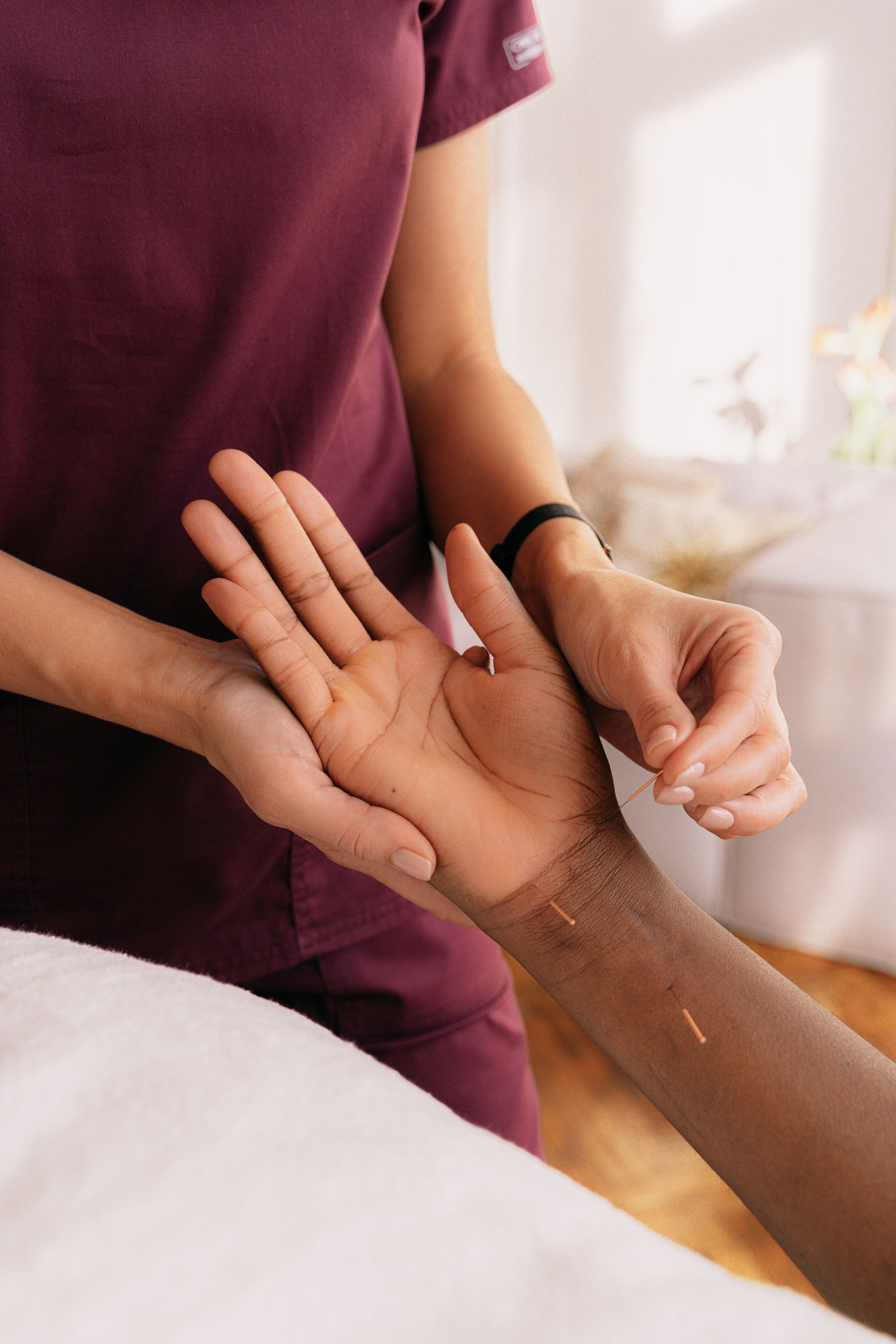
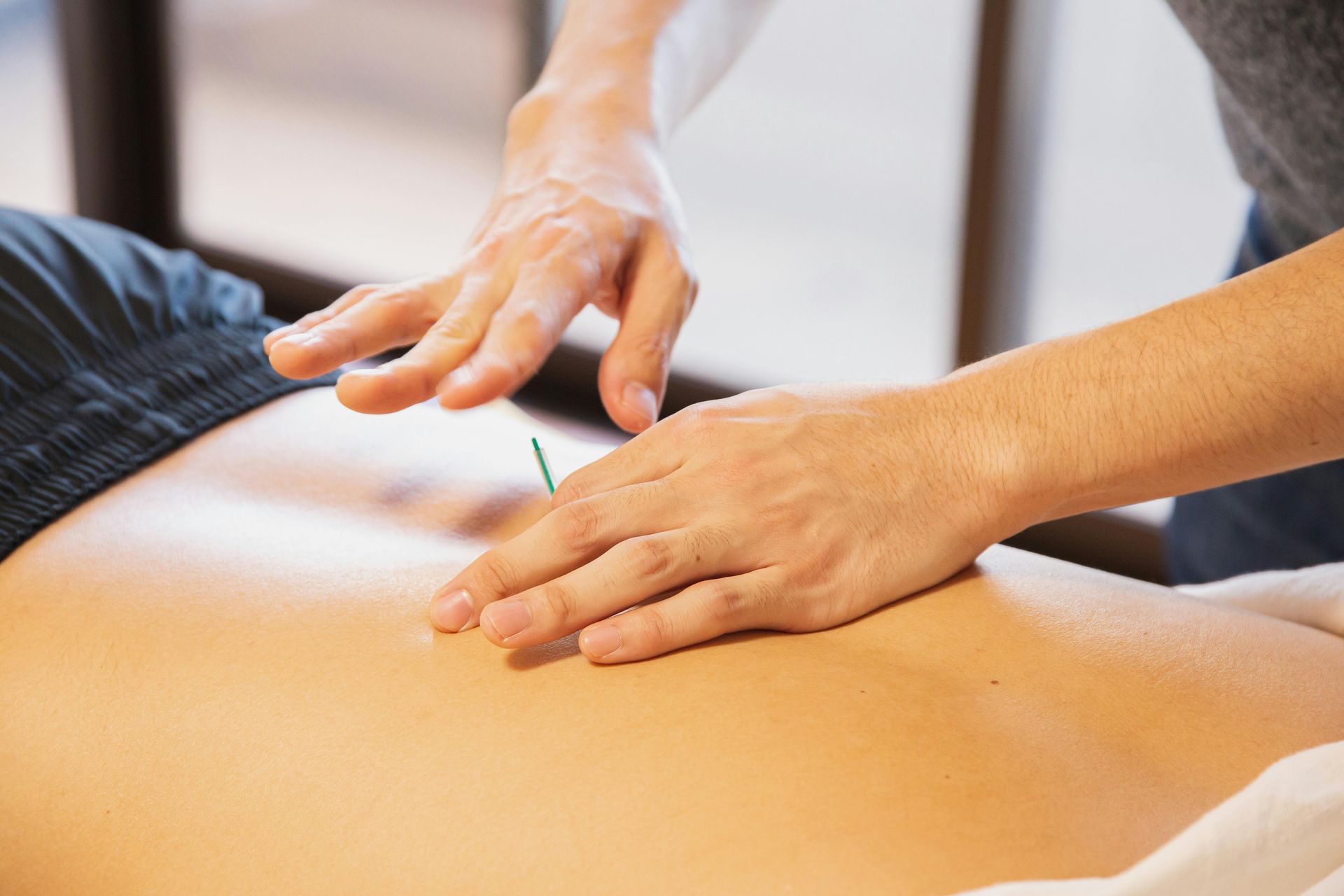
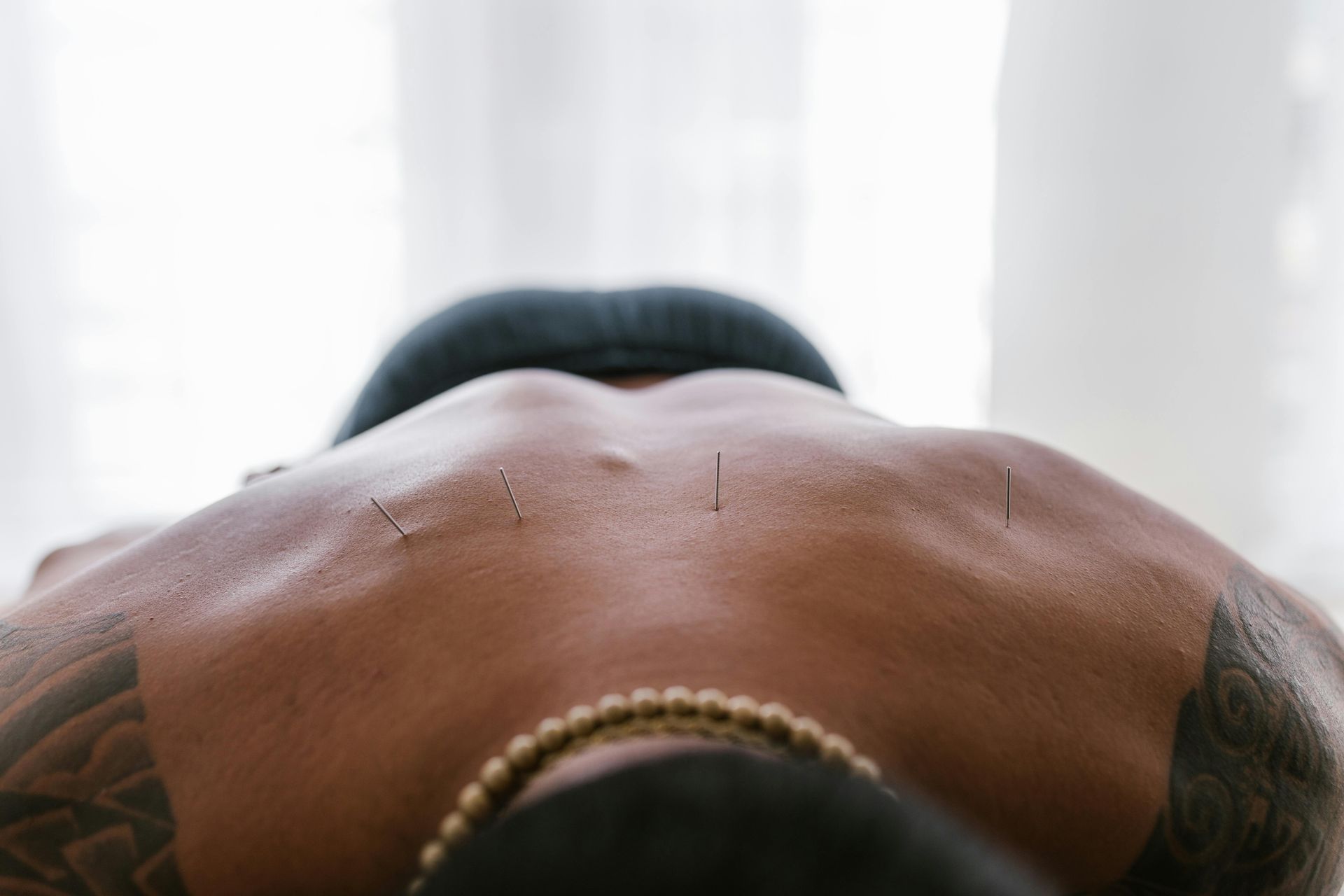
Traditional Chinese Medicine includes practices such as acupuncture, massage, tai chi, qigong, dietary approaches, and herbal medicine. The evidence for these approaches varies depending on the practice and condition. Acupuncture may help with certain types of pain and may support quality of life for some individuals, but it should be used as a complementary approach rather than a replacement for necessary medical treatment.
At A Balanced You Acupuncture & Wellness Center, our goal is to help you explore supportive wellness options based on your individual needs. Whether you are looking for acupuncture, therapeutic bodywork, or guidance on creating more mindful habits, your wellness journey can begin with one small step.
Listen to your body, honor your needs, and remember that Balance is built through consistent care.
References and Helpful Resources
- National Center for Complementary and Integrative Health.
Traditional Chinese Medicine: What You Need to Know.
Read the NCCIH overview of Traditional Chinese Medicine - National Center for Complementary and Integrative Health.
Acupuncture: Effectiveness and Safety.
Learn about acupuncture’s uses, evidence, and safety - National Center for Complementary and Integrative Health.
Sleep Disorders and Complementary Health Approaches: Usefulness and Safety.
Review the evidence on complementary approaches for sleep - National Center for Complementary and Integrative Health.
Mind and Body Practices.
Explore mind-body practices and their potential benefits
Disclaimer: This blog is for educational purposes only and is not intended to diagnose, treat, or cure any medical condition. Always consult your healthcare provider before beginning a new wellness practice, especially if you are pregnant, taking medication, or managing a medical condition.
SHARE WITH FRIENDS