The Short Answer
If you're eating and exercising the same but your waistline is changing, you're not imagining it — and you're not doing anything wrong.
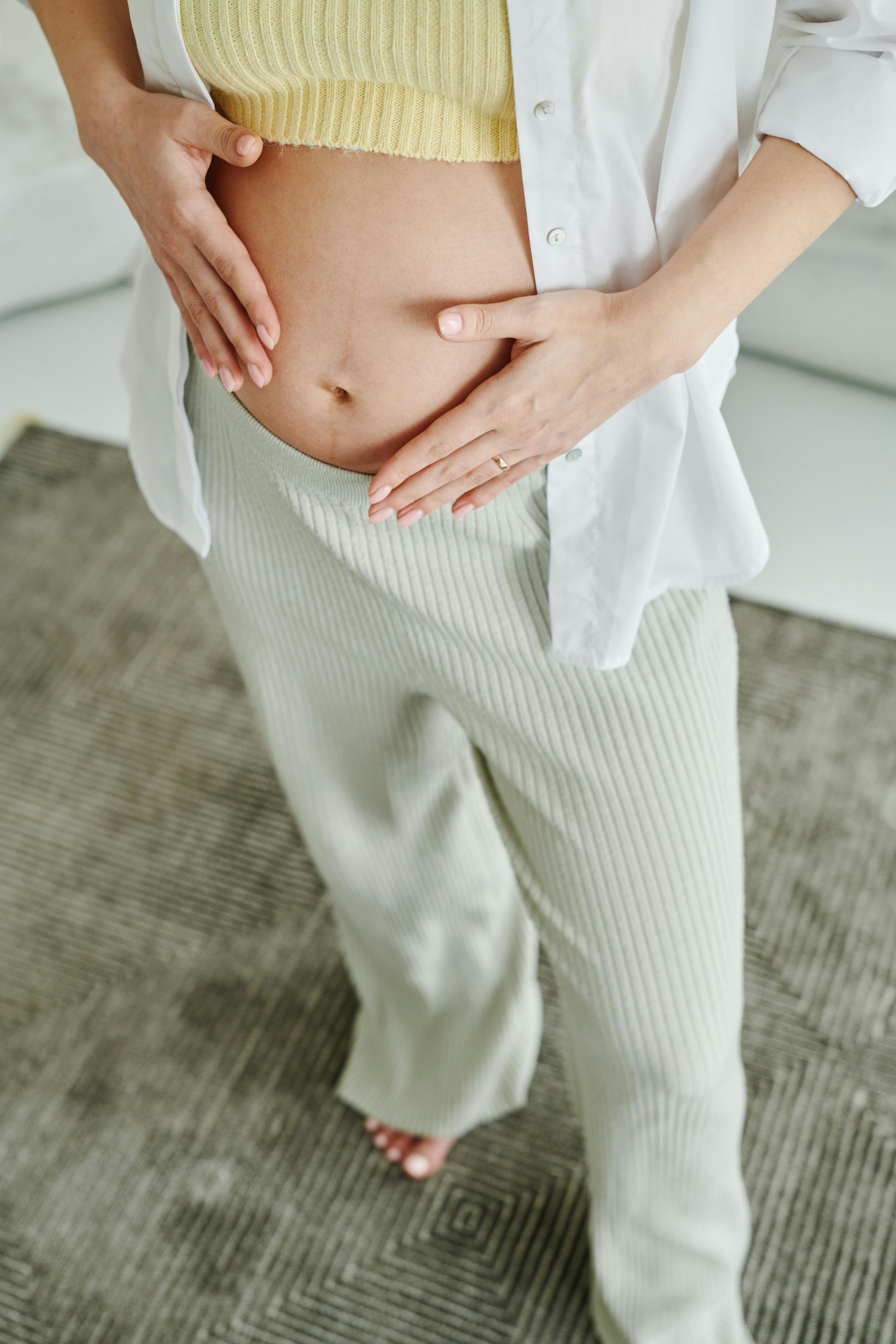
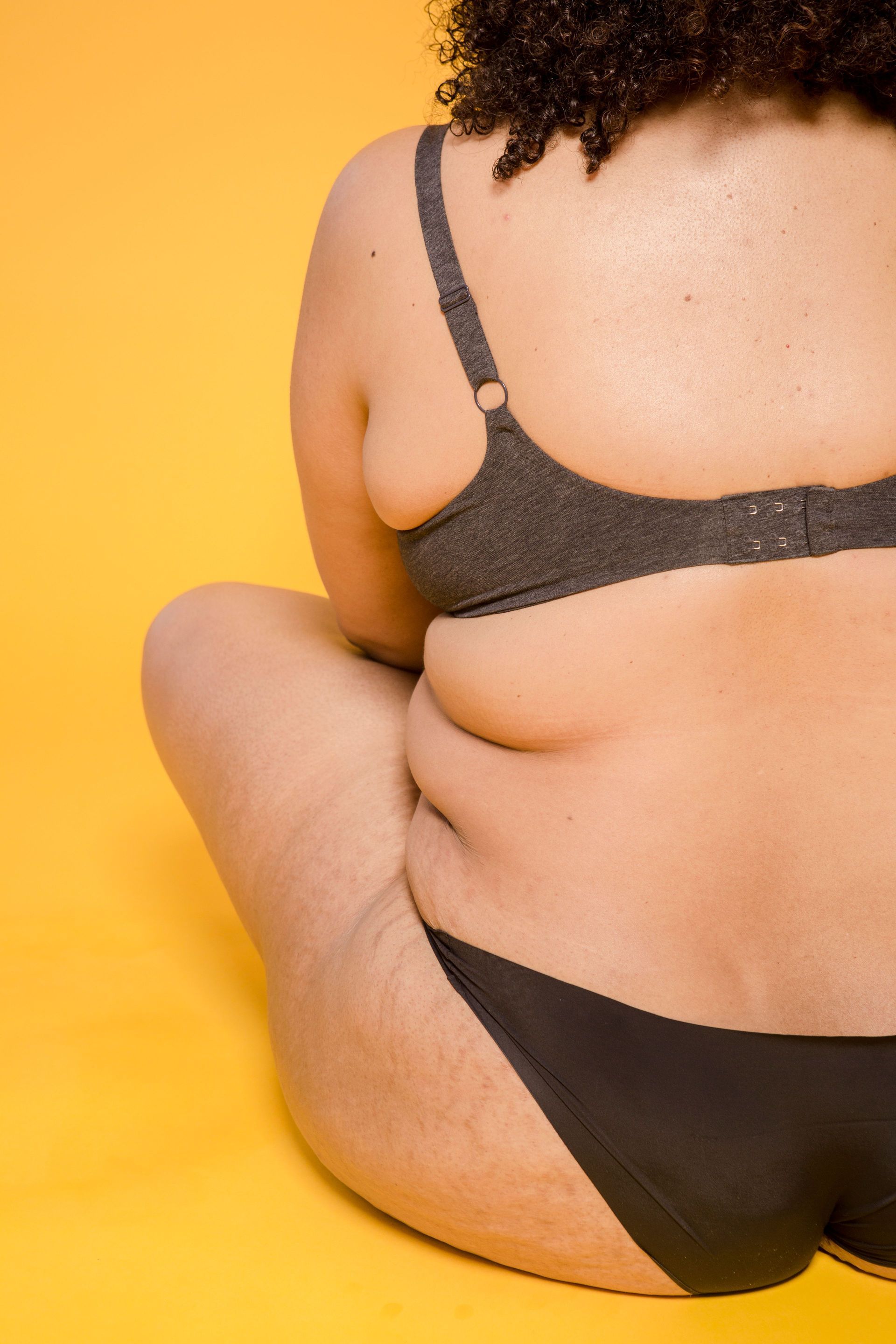
During perimenopause, shifting hormones change where your body stores fat. Research shows fat distribution moves toward the abdomen during the menopause transition, even when overall weight barely changes. Muscle mass, sleep, stress, and daily activity all shift too — so your old routine may simply not fit your current body.
Why It Happens
There's no single cause. It's a mix of:
- Hormonal changes — as estrogen declines, fat storage shifts toward the belly, including deeper visceral fat around the organs.
- Muscle loss — lean muscle is metabolically active. Losing it slows energy use and changes body composition.
- Sleep disruption — hot flashes, night sweats, and stress make restorative sleep harder, which affects appetite, mood, and metabolism.
- Chronic stress — not a direct cause of belly fat, but it influences sleep, eating, and activity.
- Aging itself — some changes are tied to getting older, not just menopause.
The Scale Doesn't Tell the Whole Story
You can stay at roughly the same weight while your body composition changes. Instead of asking "How much do I weigh?", try asking:
- How strong do I feel?
- How well am I sleeping?
- How is my energy?
- How is my waist changing?
- How do I feel in my body?
What Actually Helps
- Prioritize protein and nutrient-dense meals. Balanced food, not extreme dieting.
- Add resistance training. Bands, light weights, bodyweight work — start where you are.
- Move throughout the day. Walking, stairs, stretching, gardening all count.
- Protect your sleep. A calming evening routine matters more than another workout.
- Build in stress recovery. A few minutes of breathing, stretching, or quiet.
- Stop treating your body as the enemy. Ask "How can I support the body I have now?"
A TCM Perspective
Traditional Chinese Medicine looks at the body differently than Western medicine. A practitioner may consider patterns involving the Kidney (vitality and reserves), Spleen (digestion and energy), and Liver (smooth flow of Qi, stress, and emotions) — alongside sleep, digestion, and individual symptoms.
These are traditional frameworks, not direct equivalents of modern organs or hormones. TCM and modern medicine are simply different systems, and they can be discussed side by side.
Can Acupuncture Help?
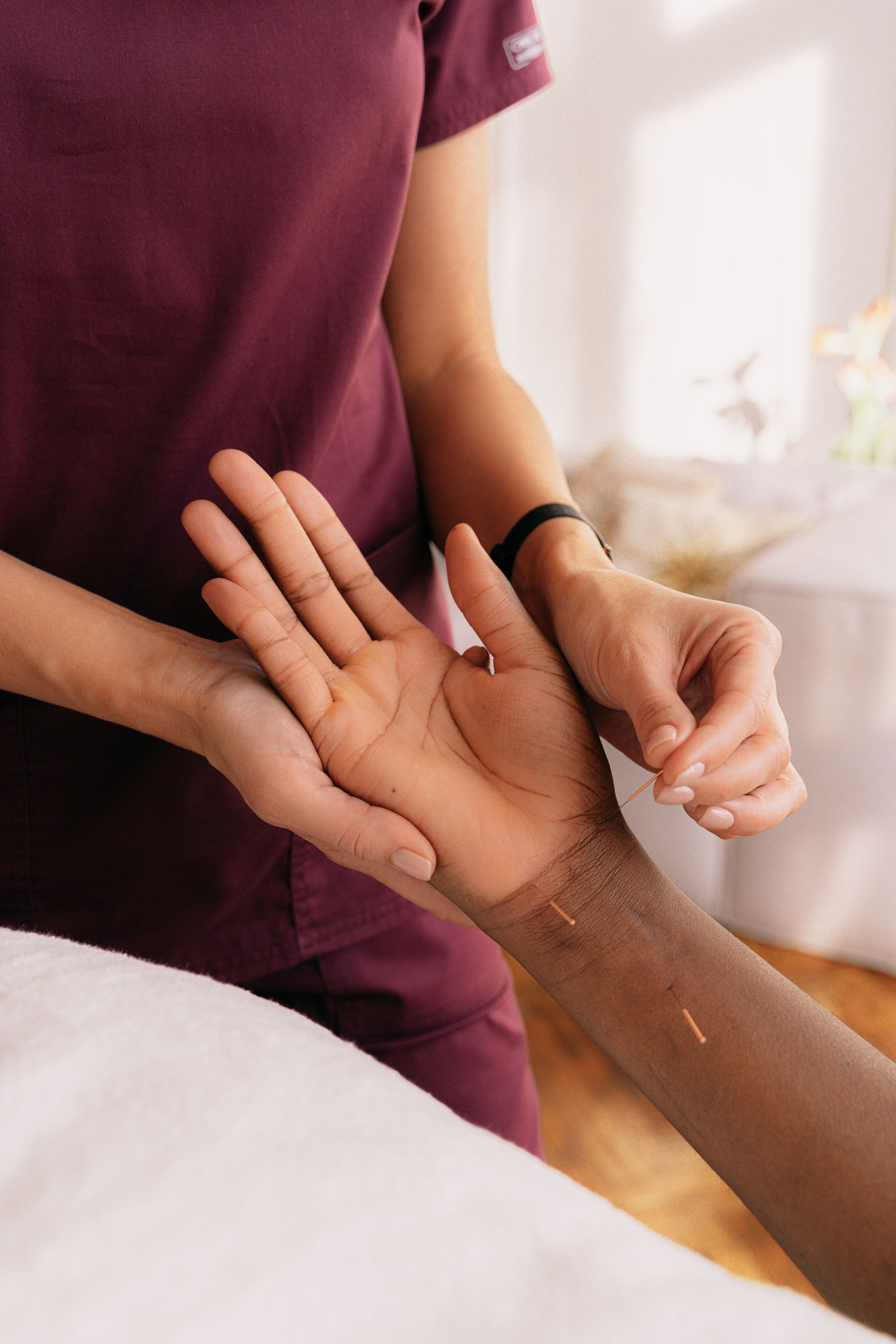
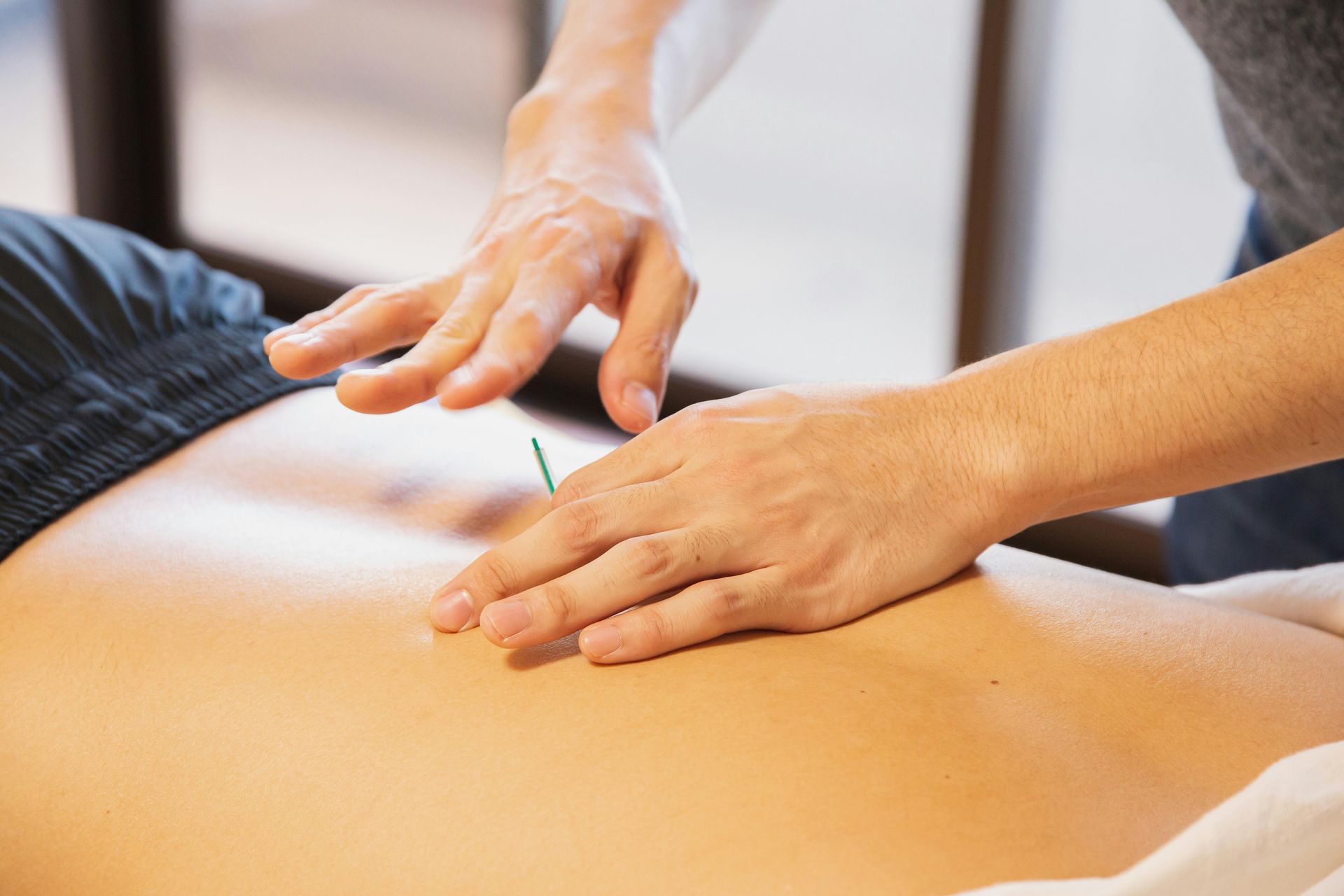
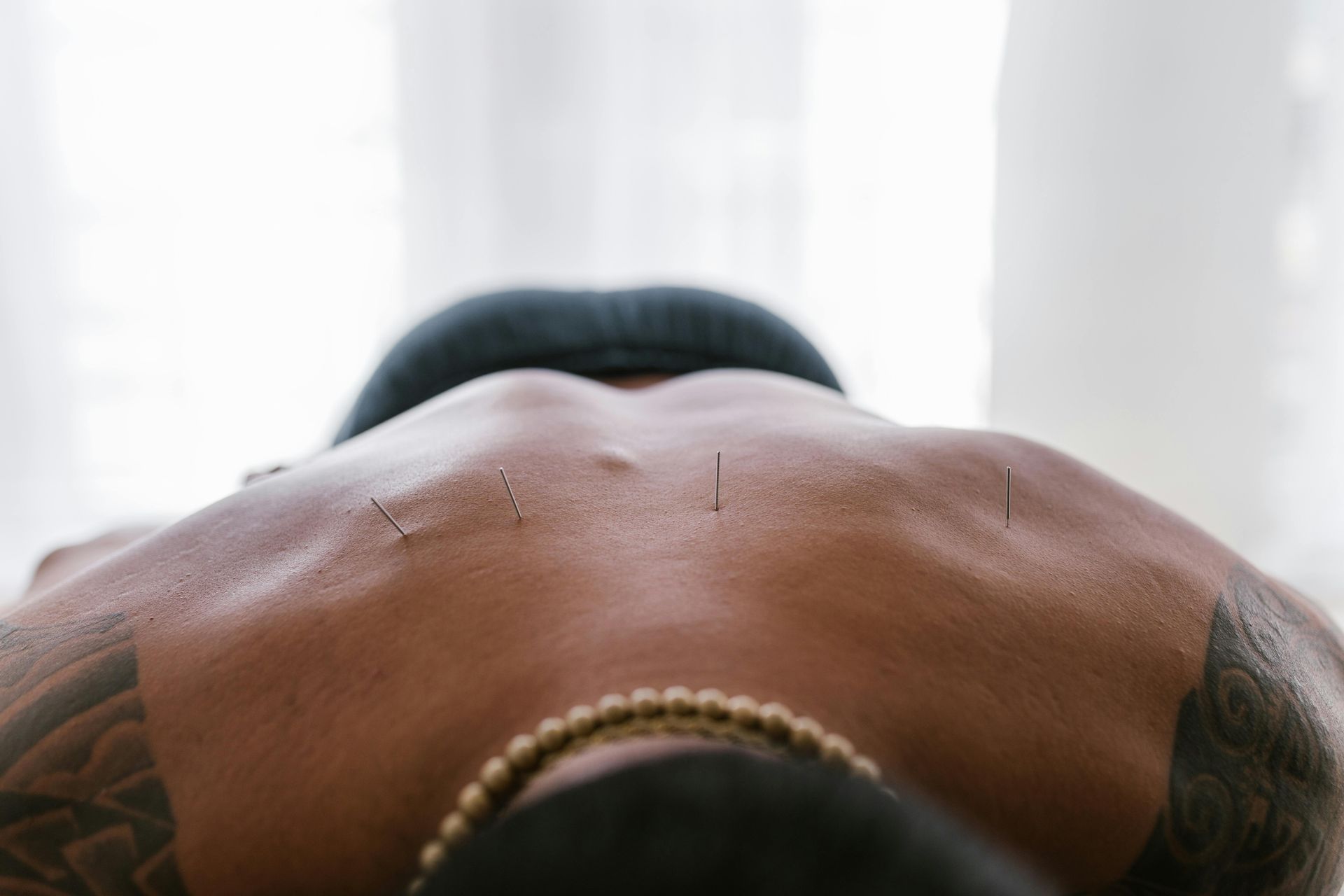
Some women explore acupuncture as a complementary option during perimenopause. Research is mixed — some studies show improvement in hot flashes and quality of life, however, acupuncture shouldn't be presented as a proven way to lose belly fat or "balance hormones." but rather can be a holistic addition to a personalized wellness plan, especially for management of stress, emotions, sleep, or pain.
At A Balanced You Acupuncture & Wellness Center, we treat the person, not just the symptom — because your sleep, stress, digestion, energy, and experiences of your whole body is what helps to make up you… and You Matter!
Bottom Line
If your body has changed your strategy can change too. That's not failure. It's a different stage of life asking for different support. Sometimes the most helpful move isn't doing more, it’s learning what your body needs now.
References:
- Svendsen OL, et al. (Metabolism, 1995)
- Fenton A. (Journal of Mid-life Health, 2021)
- Lovejoy JC. (Endocrine Reviews, 2003)
- Poehlman ET, et al. (Journal of Gerontology, 1995; Acta Obstet Gynecol Scand, 2002)
- NCCIH — Menopausal Symptoms: In Depth; Traditional Chinese Medicine: What You Need to Know
Medical disclaimer: This article is for educational purposes and is not intended to diagnose, treat, or cure any condition. Speak with your physician or a qualified healthcare professional about persistent changes in weight, bleeding, sleep, or mood. Acupuncture and TCM are complementary approaches, not replacements for medical care.
SHARE WITH FRIENDS